

Why regular damp inspections could save you thousands in unexpected repairs.
Your caravan or motorhome might look immaculate on the outside, but what is happening behind the walls, beneath the flooring or around the windows?
At TCH Caravans, I’ve seen first-hand how moisture can cause extensive damage to leisure vehicles, sometimes without the owner realising there is a problem. The real inspection photographs accompanying this article show everything from mould-covered cupboards to exceptionally high moisture meter readings and vegetation inside an exterior light cluster.
What causes damp in caravans and motorhomes?
Common causes include deteriorating seals around windows, doors and rooflights; failed sealant around external joints; plumbing leaks; and condensation caused by inadequate ventilation. Water ingress and condensation are different problems, but both deserve attention.
When your caravan becomes a garden
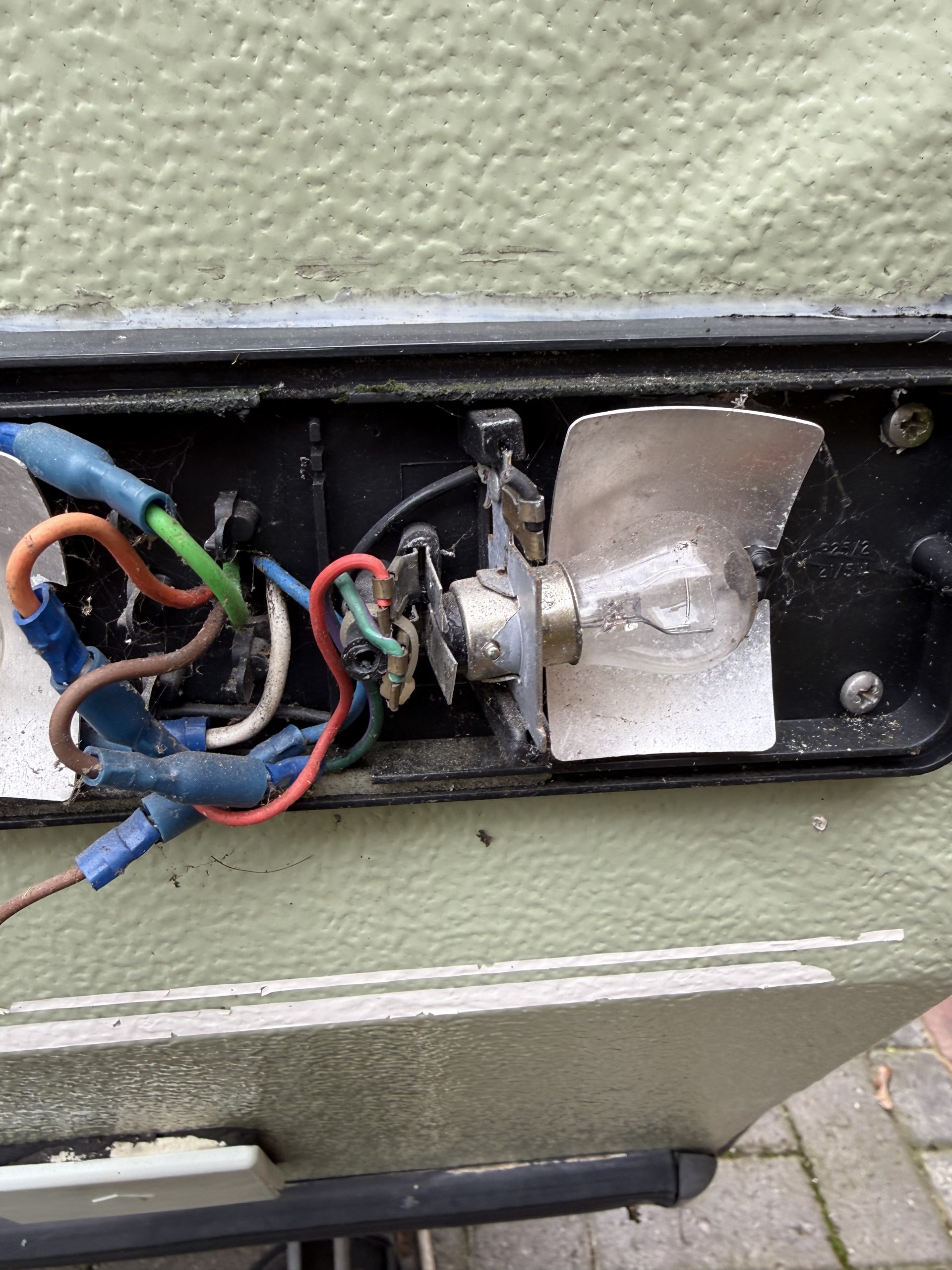
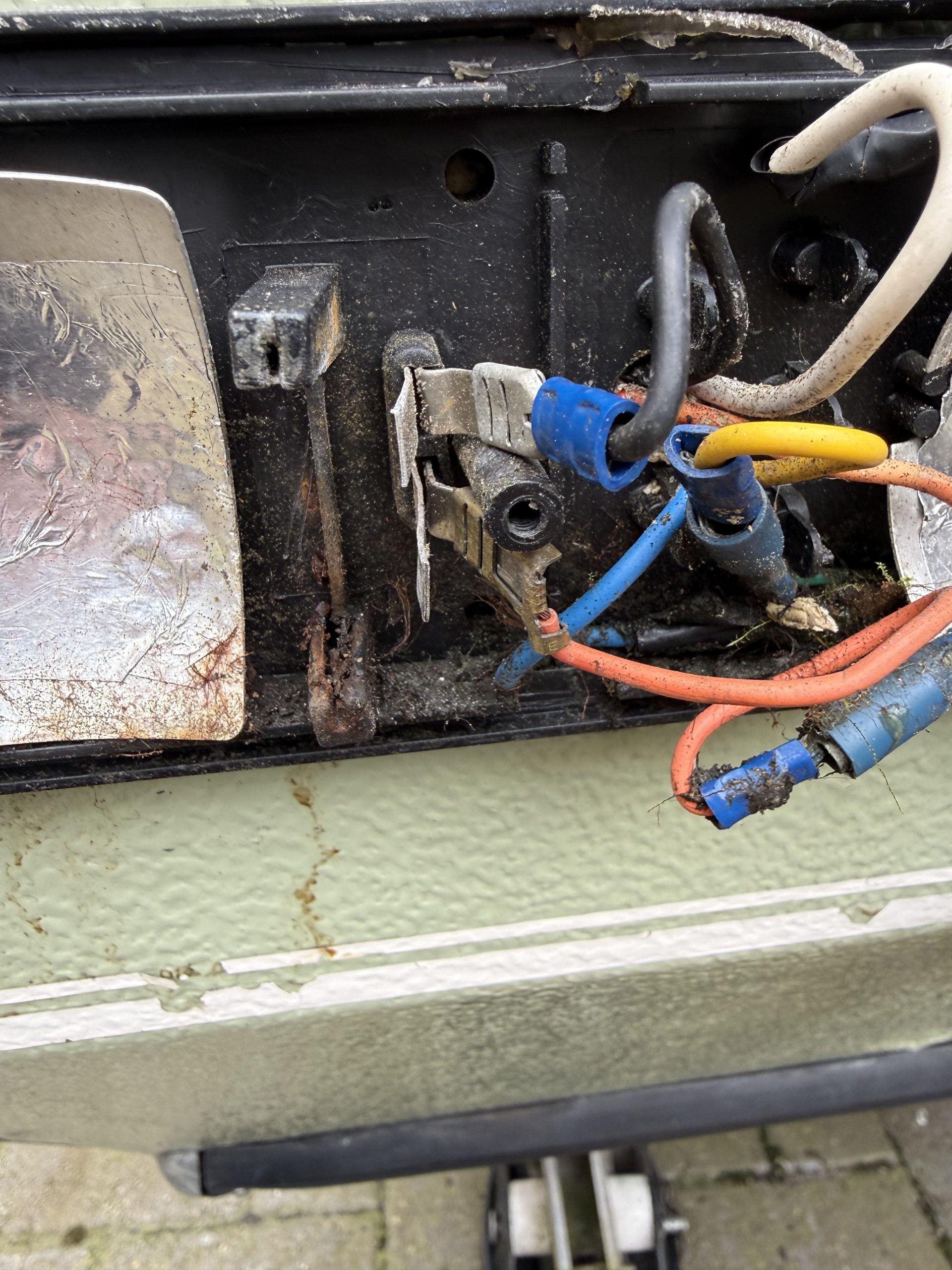
One inspection revealed vegetation growing inside a rear light cluster, alongside debris and visibly deteriorated electrical connections. This does not by itself prove that water has entered the caravan’s structure, but it shows why exterior fittings and wiring should be inspected, not simply tested to see whether the lights illuminate.
Extensive mould growth is a warning sign
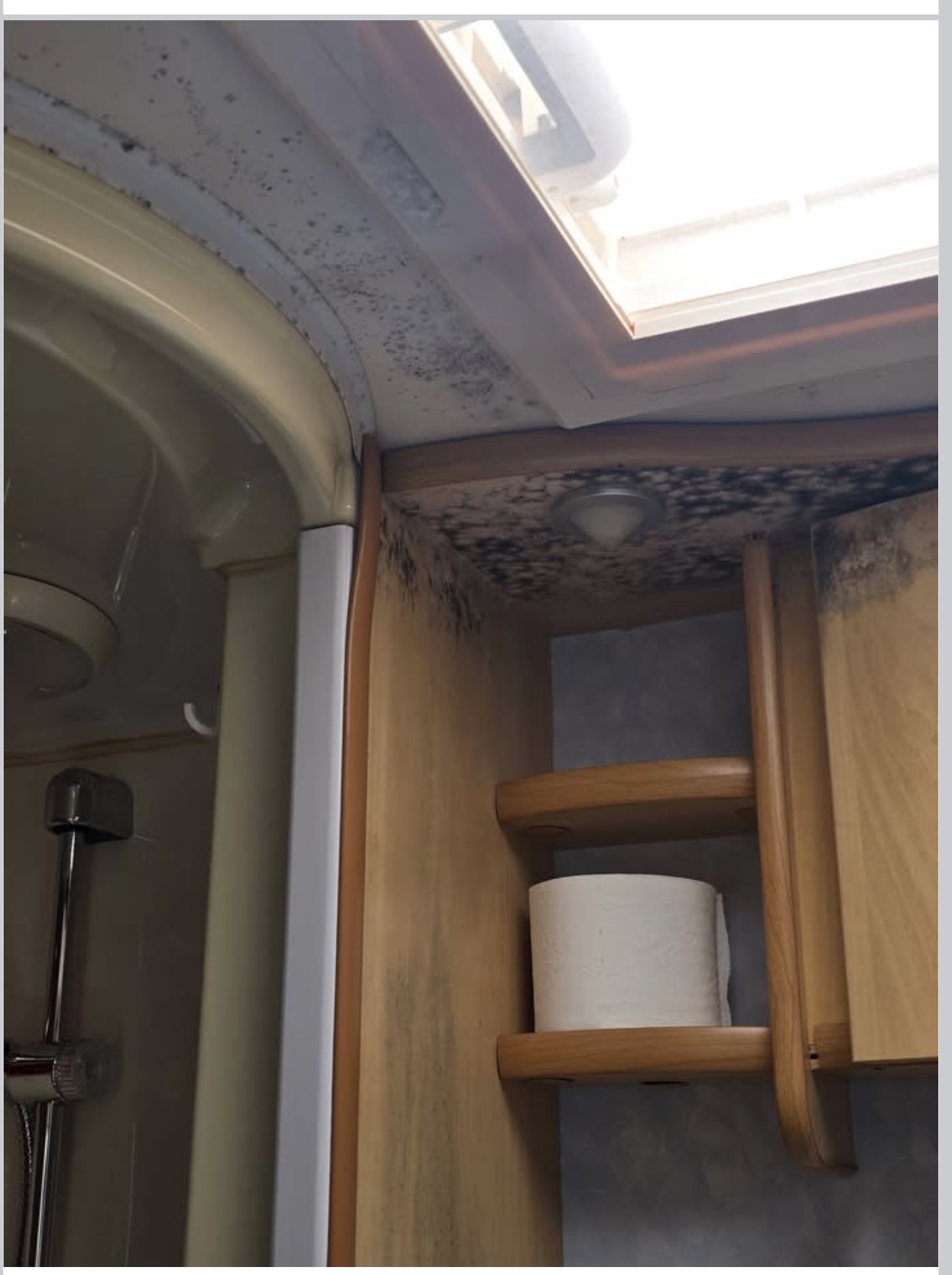
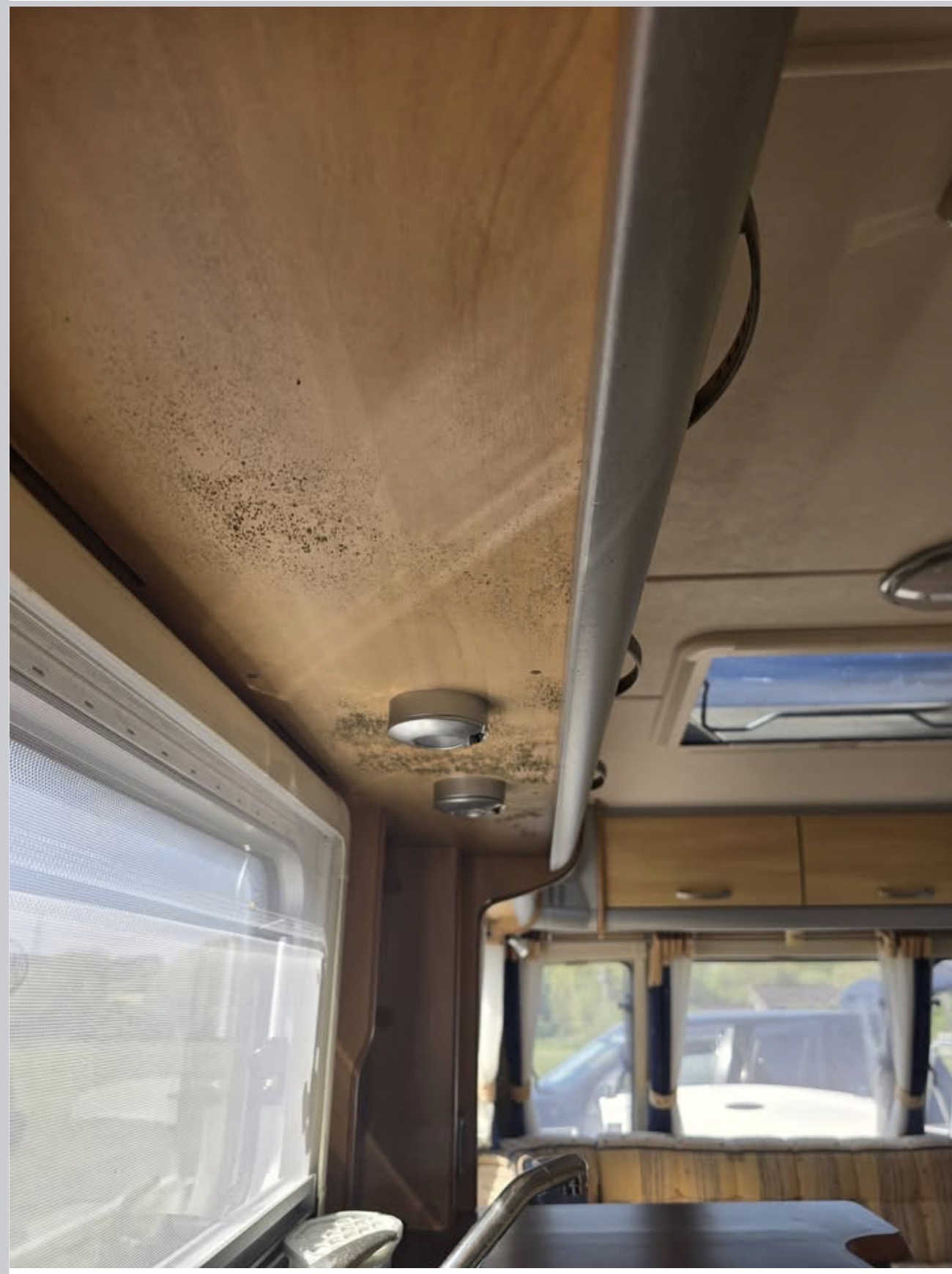
Other inspection photographs show dark growth consistent with mould across ceilings, cupboards and furniture. Moisture and poor ventilation can encourage mould, particularly in enclosed spaces. Cleaning visible growth without addressing the underlying moisture source may allow it to return.
What do high caravan damp meter readings mean?
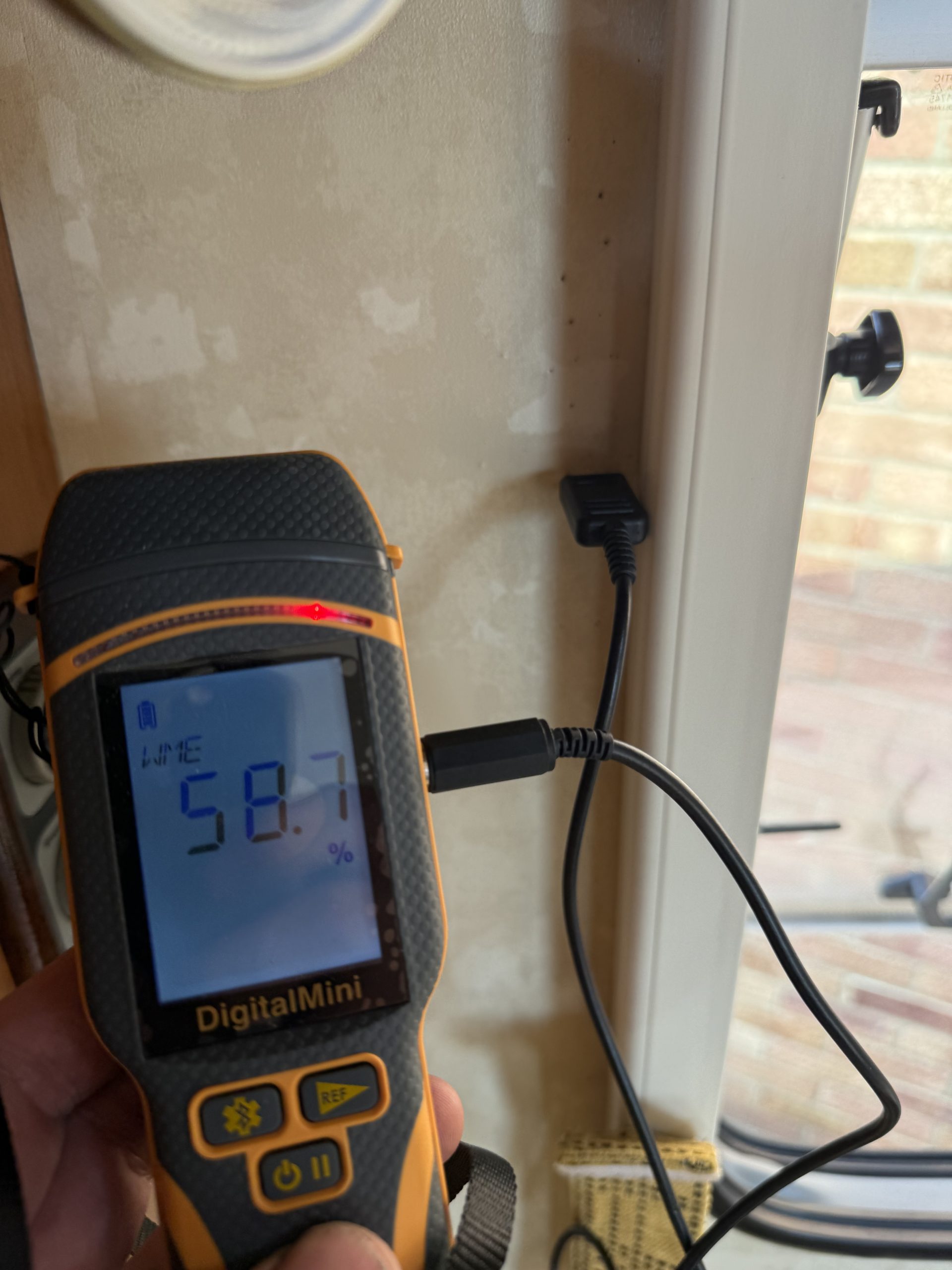
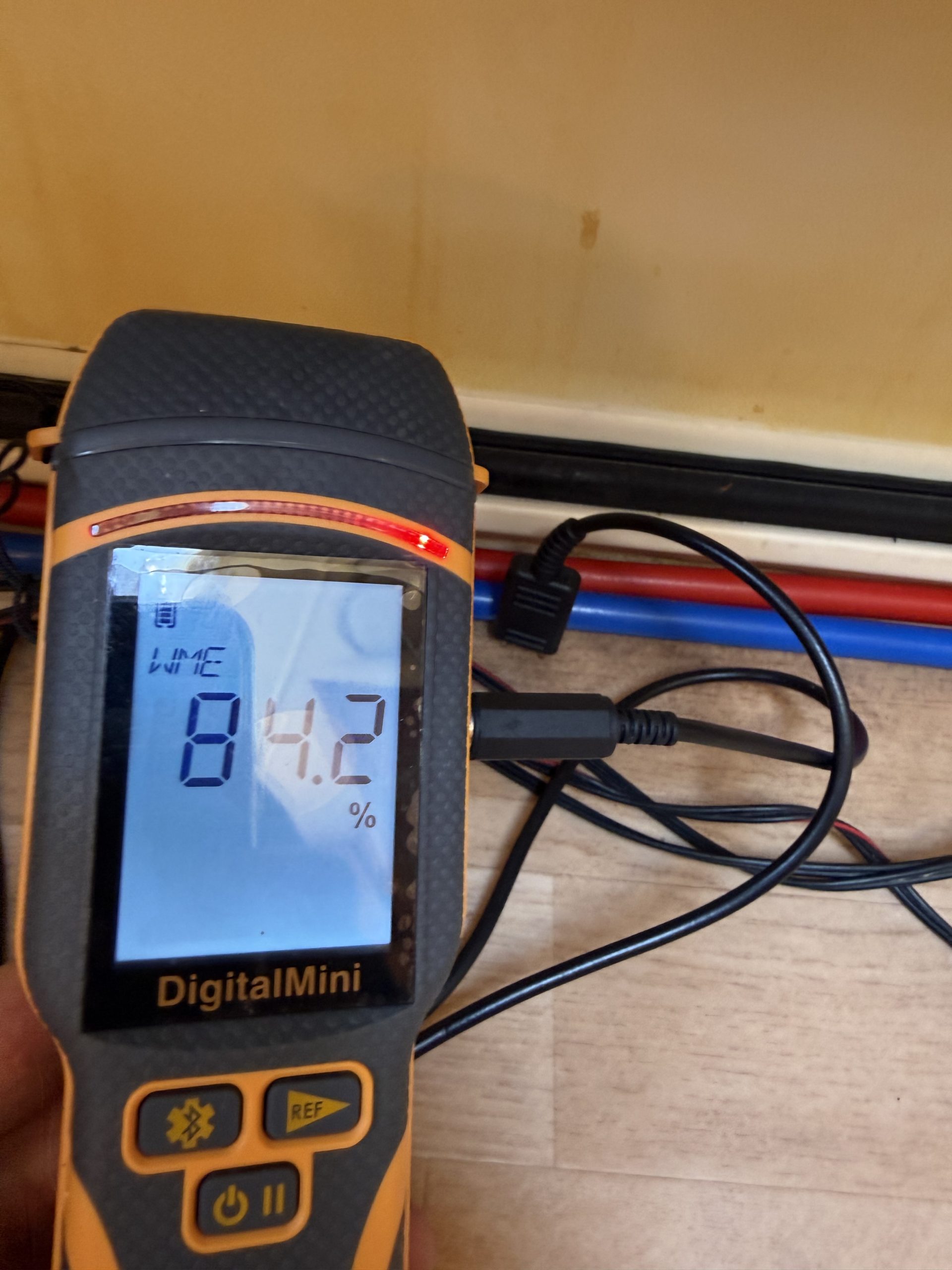
Two photographs show readings of 58.7% and 84.2% WME (Wood Moisture Equivalent). Both are very high indications on the instrument and warrant further investigation. WME is a comparative meter scale: it does not mean the wall necessarily contains that percentage of water. Readings must be interpreted in context, including the meter, material and measurement location.
Look for subtle warning signs
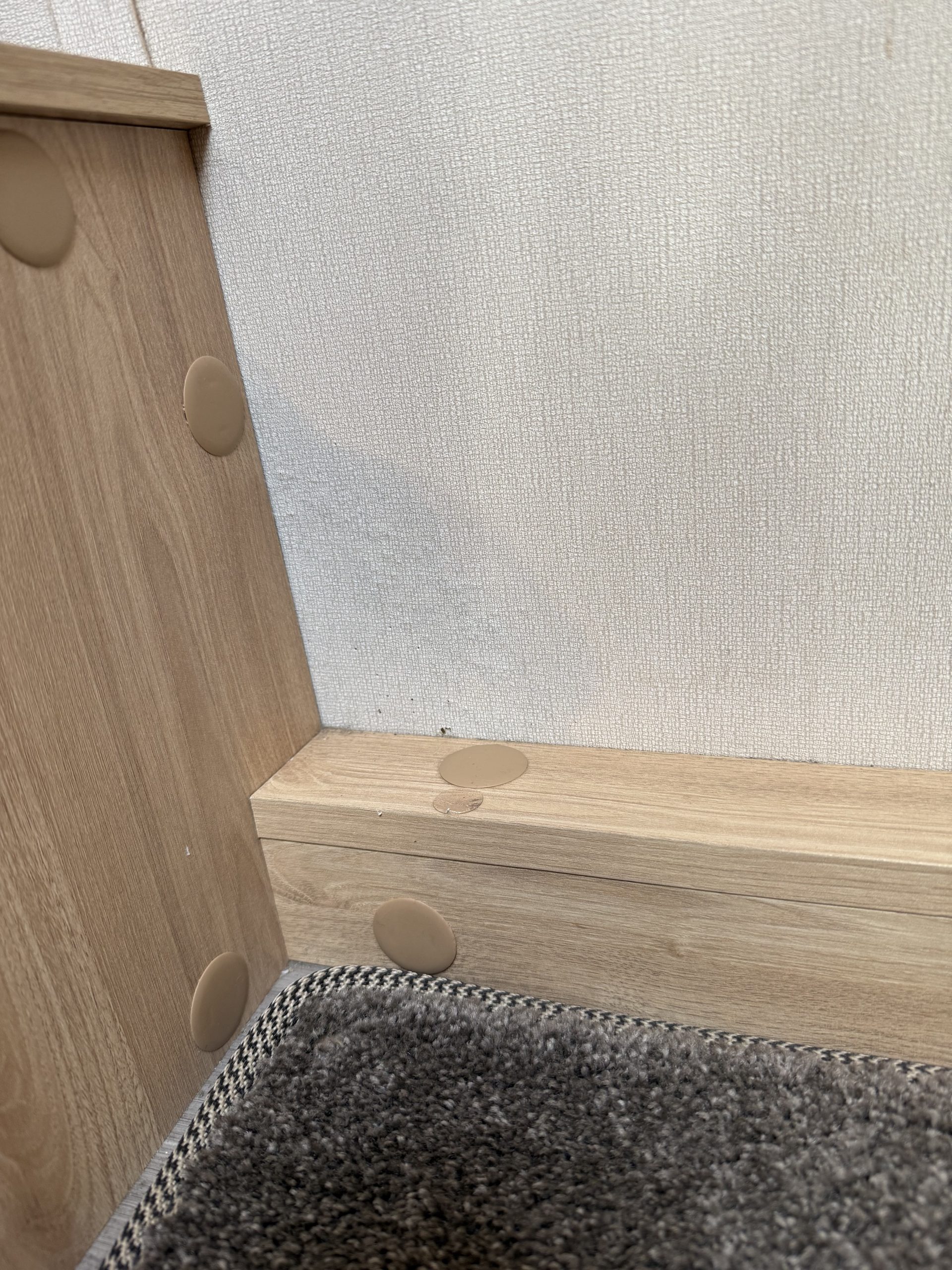
Early clues can include discoloured wall coverings, swollen furniture, soft flooring, musty odours, persistent condensation, dark spotting in cupboards and staining around windows or rooflights. None automatically proves structural water ingress, but each deserves closer examination.
Why delaying an inspection can be costly
When water continues entering a vehicle, concealed materials can deteriorate. Depending on construction, prolonged exposure may damage timber, insulation, flooring and wall panels. Significant repairs can cost thousands of pounds. Early investigation gives owners a better chance of identifying and addressing the cause.
Buying a used caravan? Check before committing
A clean interior and polished exterior cannot tell you what is happening behind the walls. A professional pre-purchase inspection can help identify elevated readings and other visible concerns before you buy.
How often should damp testing be carried out?
I recommend a professional damp test at least every 12 months. Owners should also follow any manufacturer’s warranty requirements, which may specify checks by authorised providers. A habitation check or full caravan service is also an opportunity to discuss the condition of your vehicle.
Mobile caravan damp testing in Lincolnshire
TCH Caravans is based in Lincoln and offers mobile caravan and motorhome inspections within approximately a 50-mile radius, at suitable home, storage or pitch locations. I use specialist moisture testing equipment, record readings and explain concerns in straightforward language.
Don’t wait until the damage becomes obvious. For advice or to arrange an inspection, visit TCH Caravans and get in touch.
The examples described above are from real inspection photographs and are not presented as a single vehicle or a definitive diagnosis from images alone.
