
Why regular caravan and motorhome gas safety checks matter
LPG powers essential equipment in many caravans and motorhomes, including cooking, heating and hot water. Because gas leaks, poor combustion and inadequate ventilation can create serious hazards, regular professional checks are an important part of looking after your leisure vehicle. Here are the main reasons to have your LPG system inspected.
1. Protects against gas leaks and explosions
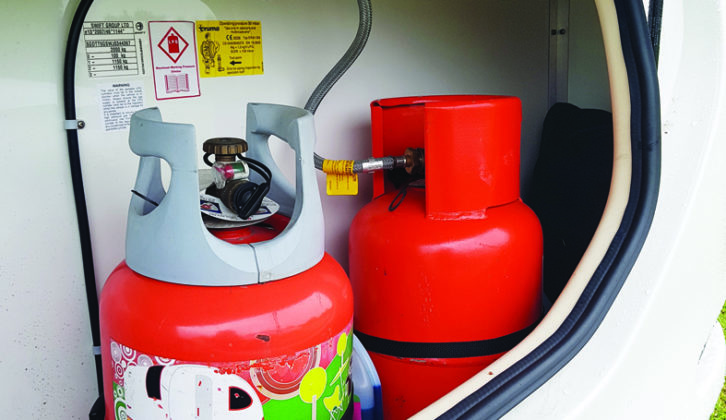
LPG leaks can build up quickly in confined spaces. A gas tightness test checks for leakage from the system. The inspection also considers accessible pipework, connections, regulators, hoses and appliances. If a leak is suspected, stop using the gas supply and seek help from a suitably competent professional.
2. Prevents carbon monoxide poisoning
Faulty combustion or inadequate ventilation can lead to carbon monoxide (CO), a poisonous gas that cannot be seen or smelled. Appliance operation, flues and ventilation should be checked as appropriate. Fit a suitable carbon monoxide alarm, maintain it according to the manufacturer’s instructions and never block permanent ventilation openings. An alarm is an extra safeguard, not a substitute for inspection.
3. Ensures appliances work efficiently
Checks of gas supply pressure and appliance operation can help identify issues affecting cookers, heaters, fridges and water heaters. An inspection can reveal problems requiring further investigation or repair before an appliance is used again.
4. Identifies wear and age-related faults
Hoses, regulators and seals can deteriorate with age or exposure. Checking for damage, corrosion, unsuitable fittings and signs of wear may uncover defects before they become a safety concern.
5. Supports maintenance and warranty requirements
Some manufacturers include LPG checks within their recommended service schedules or warranty conditions. Requirements vary by manufacturer and product, so always check the terms that apply to your caravan or motorhome and keep your service records.
6. Supports insurance claims
Service reports provide a useful record of maintenance and any defects identified. Insurance requirements vary by policy, so check your own insurer’s terms rather than assuming a particular certificate is universally required.
7. Peace of mind when travelling
Knowing your LPG system has been inspected and any identified defects have been addressed can provide reassurance before a holiday. No single inspection guarantees that faults can never develop, so remain alert to warning signs between services.
8. Different rules for private and commercial use
Private owners are not generally subject to a universal annual gas-certificate requirement simply because they own a caravan or motorhome. Different duties can apply where a vehicle is hired out, used commercially or provided as accommodation. Campsites and other operators may also have their own conditions, so check the requirements relevant to your situation.
Warning signs to take seriously: a smell of gas, a carbon monoxide alarm sounding, soot or staining around an appliance, or an appliance behaving unusually. If you smell gas, turn off the gas supply if safe to do so, avoid naked flames and electrical switches, ventilate the area and move to safety. If a CO alarm sounds or anyone feels unwell, get into fresh air and seek urgent assistance. Do not use the affected equipment until it has been checked.
Regular LPG inspections are an important part of responsible caravan and motorhome ownership. They can help identify leaks, worn components, appliance faults and ventilation concerns before they put a journey at risk. For details of the checks I offer, visit the Caravan and Motorhome Gas Testing service page, or contact TCH Caravans to discuss an inspection at a suitable location within 50 miles of Lincoln.