
A motorhome habitation check examines the living accommodation and its equipment, rather than replacing the separate mechanical servicing needed for the engine, brakes or vehicle chassis. It’s an important way to spot developing problems, keep essential systems in good condition and prepare for trips with greater confidence. For many owners, arranging a habitation inspection once a year is a sensible part of routine maintenance.
1. Checks of LPG gas and electrical systems
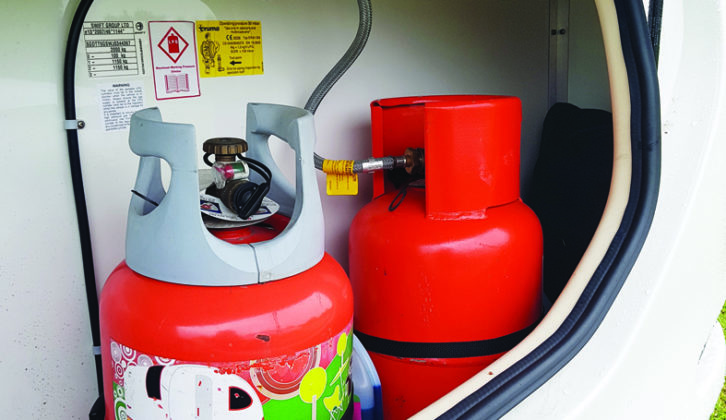
A habitation inspection includes appropriate checks of LPG pipework, connections, regulators, gas appliances and ventilation, helping to identify leaks, wear or unsafe operation. It also examines relevant 12V equipment, such as the leisure battery, charging system and electrical controls, alongside 230V mains hook-up installations and safety devices. Any suspected defects should be investigated and corrected by a suitably competent person. Keep a suitable carbon monoxide alarm fitted and maintained; it does not replace proper inspection.
2. Early detection of damp and water ingress
Water ingress can remain hidden behind wall panels, beneath flooring or around windows and roof fittings. Moisture readings taken at appropriate inspection points can highlight areas needing further investigation. Discovering damp early may help owners address a failed seal or leak before it develops into timber deterioration, delamination, mould or an expensive structural repair.
3. Support warranty and maintenance requirements
Some motorhome manufacturers require documented inspections, often at specified intervals, as a condition of water-ingress or bodywork warranty cover. The exact requirements vary by manufacturer, vehicle age and warranty terms. Check your paperwork and whether the technician or inspection provider meets any warranty-specific conditions; do not assume every independent habitation inspection automatically satisfies them.
4. Build confidence when selling
A documented history of regular checks and any repairs helps prospective buyers understand how a motorhome has been maintained. It can build confidence when selling and may support resale value, although the price will also depend on the vehicle’s age, condition and market demand.
5. Ensure appliances work correctly
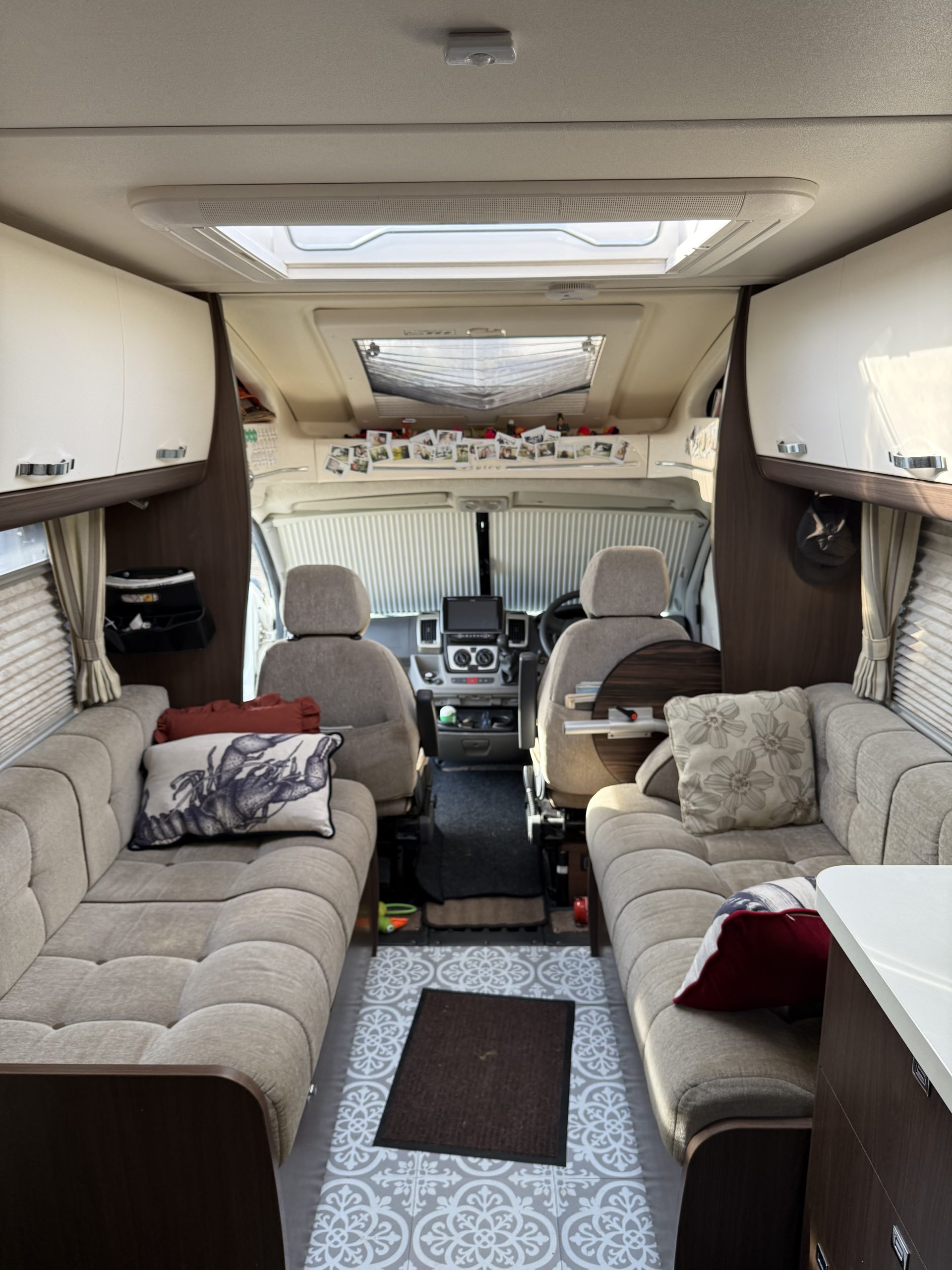
A habitation check also looks at the operation and general condition of living-area equipment, as applicable to the vehicle. This may include the heating and hot-water systems, refrigerator, cooker, toilet, fresh-water supply and associated fittings. Identifying faults before a holiday is considerably more convenient than discovering them once you are on site.
6. Peace of mind when travelling
An inspection can provide reassurance that important systems have been checked and any known concerns recorded. It cannot guarantee that a fault will never develop later, so owners should still carry out basic pre-trip checks and act promptly if something changes.
7. Keep useful records for your insurer
Keeping inspection reports and repair receipts creates a useful maintenance record. Insurers’ conditions differ, so check the terms of your own policy instead of assuming that a habitation certificate is compulsory or guarantees the outcome of a claim.
How often should you arrange a habitation check? An annual inspection is a useful general recommendation, particularly if your motorhome is used regularly or stored for long periods. Follow the manufacturer’s specific inspection schedule where one applies, and arrange an earlier check if you notice damp smells, unexplained moisture, gas concerns or electrical faults.
Regular habitation checks help identify potential problems in the living area before they become more disruptive or costly. To see what is covered, visit my Caravan and Motorhome Habitation Checks page. Contact TCH Caravans to arrange a mobile inspection at a suitable location within 50 miles of Lincoln.